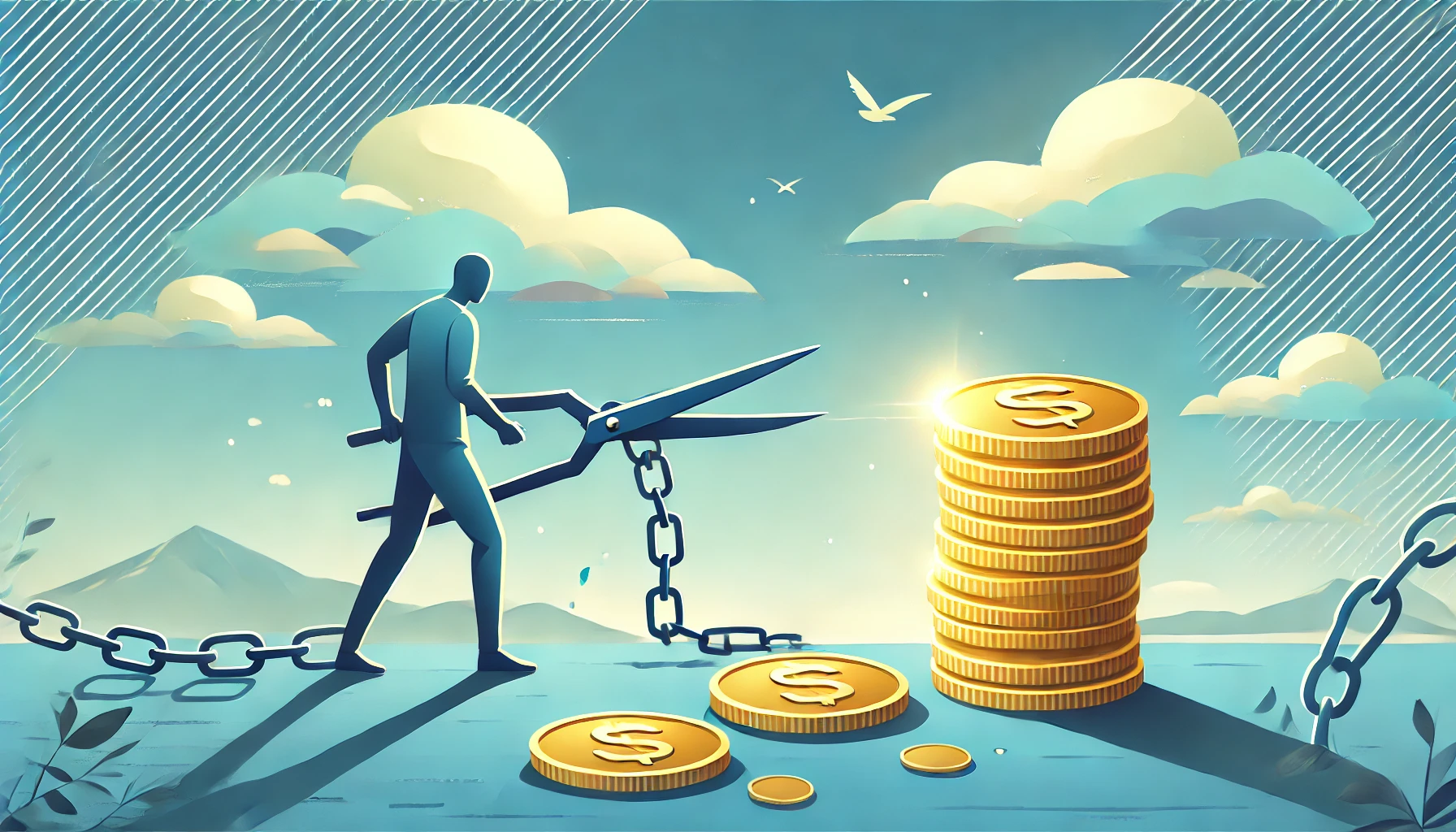
Are you tired of debt weighing you down?
Managing debt can be one of the most challenging aspects of personal finance. Whether it’s the ever-mounting credit card bills, personal loans with high interest, or an education loan you’ve been chipping away at for years, the stress can feel overwhelming. But there’s good news—you don’t have to live under this burden forever.
With the right strategies, discipline, and a clear plan, you can eliminate your debts faster than you think. This article will guide you through proven methods, practical tips, and step-by-step approaches to help you take control of your financial situation and achieve debt freedom. Let’s dive into the journey toward a debt-free life.
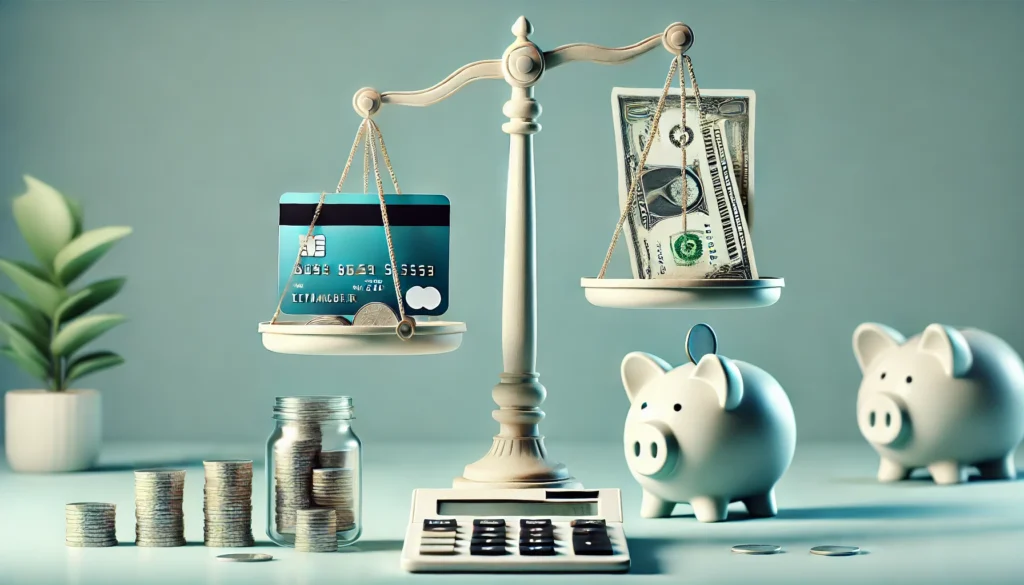
What is Debt and Why is it Important to Pay it Off?
Debt is money you borrow to fulfill a need, but it comes at a cost—interest. This cost increases the longer you take to repay the borrowed amount. Debt is useful in emergencies or when making big purchases (like a house or car), but if it’s not managed well, it can grow uncontrollably.
Why Should You Pay Off Debt Quickly?
- Saves Money: The faster you repay, the less you pay in interest.
- Reduces Stress: Less debt equals better peace of mind.
- Improves Credit Score: Timely repayments improve your ability to borrow at lower interest rates in the future.
Step 1: Understand Your Debt
Before jumping into repayment, it’s important to understand your financial situation. Start by listing all your debts.
How to List Your Debts
Create a table with details like:
- Type of debt (credit card, personal loan, etc.).
- Outstanding amount.
- Interest rate.
- Minimum monthly payment.
Example:
| Debt Type | Amount Owed | Interest Rate | Minimum Payment |
|---|---|---|---|
| Credit Card | ₹30,000 | 36% | ₹3,000 |
| Personal Loan | ₹1,00,000 | 18% | ₹5,000 |
| Education Loan | ₹2,50,000 | 10% | ₹7,500 |
This table gives you clarity and helps prioritize which debt to focus on first.
Step 2: Choose a Debt Repayment Strategy
Here are two proven strategies to pay off debt quickly:
Debt Snowball Method: Start Small, Win Big
This method focuses on paying off the smallest debt first, regardless of the interest rate. The idea is to get quick wins and build momentum.
How It Works:
- List debts from smallest to largest based on the amount owed.
- Pay the minimum amount on all debts except the smallest.
- Use extra money to pay off the smallest debt.
- Move to the next smallest debt after clearing the first.
Example:
If you have:
- Credit Card Debt: ₹30,000
- Personal Loan: ₹1,00,000
- Education Loan: ₹2,50,000
- Focus on the ₹30,000 credit card debt first.
- Once it’s paid, redirect that money toward the ₹1,00,000 personal loan.
- Finally, tackle the ₹2,50,000 education loan.
Why It Works:
- Gives a sense of achievement by clearing small debts quickly.
- Helps build confidence and stay motivated.
Downside:
- May cost more in interest in the long term.
Debt Avalanche Method: Save More, Pay Less
This method focuses on paying off debts with the highest interest rate first, saving money on interest.
How It Works:
- List debts from highest to lowest interest rate.
- Pay the minimum amount on all debts except the one with the highest interest.
- Use extra money to clear the high-interest debt first.
- Move to the next debt after clearing the highest-interest one.
Example:
If you have:
- Credit Card Debt: ₹30,000 (36% interest)
- Personal Loan: ₹1,00,000 (18% interest)
- Education Loan: ₹2,50,000 (10% interest)
- Focus on the ₹30,000 credit card debt first.
- After clearing it, move to the ₹1,00,000 personal loan.
- Lastly, repay the ₹2,50,000 education loan.
Why It Works:
- Saves the most money in the long term.
- Ideal for high-interest debts like credit cards.
Downside:
- Progress feels slower, which might reduce motivation.
Which Strategy is Right for You?
- Choose Debt Snowball if you need motivation from quick wins.
- Choose Debt Avalanche if you want to save money on interest.
Step 3: Supporting Strategies to Pay Off Debt Faster
Here are additional strategies to complement your debt repayment plan:
1. Debt Consolidation
Combine multiple debts into a single loan with a lower interest rate.
Example:
If you owe:
- Credit Card Debt: ₹50,000 at 36% interest
- Personal Loan: ₹1,00,000 at 18% interest
Take a new personal loan at 12% interest to pay off both. This reduces your overall interest burden.
2. Negotiate with Your Lender
Ask your bank or lender for better terms. For example:
- Lower your interest rate.
- Extend the loan tenure to reduce monthly payments.
Example:
Negotiate your personal loan interest rate from 18% to 15%, saving thousands over time.
3. Increase Your Income
Boost your debt repayment speed by earning extra income.
Ideas for Side Hustles in India:
- Freelance as a writer or designer.
- Teach online or provide tuition.
- Join delivery services like Swiggy or Zomato.
Example:
Earn ₹10,000/month from freelancing. Use this to clear your ₹30,000 credit card debt in just 3 months instead of 6.
Step 4: Avoid These Common Mistakes
1. Continuing to Use Credit Cards
Stop using credit cards until you’ve cleared all existing debts. Otherwise, you’ll keep adding to your burden.
2. Borrowing to Pay Debt
Avoid taking a new loan to pay off an old one. This creates a dangerous debt cycle.
3. No Emergency Fund
Without savings, unexpected expenses can push you deeper into debt. Start building an emergency fund by saving ₹10,000-₹20,000 for financial security during tough times.
Step 5: Stay Debt-Free After Repayment
Clearing your debt is just the first step. Here’s how to stay financially healthy:
- Follow the 50-20-30 Budget Rule:
- 50% for needs (rent, groceries, etc.).
- 20% for savings and investments.
- 30% for wants (dining out, shopping, etc.).
- Build a 3-6 Month Emergency Fund:
Save enough to cover 3-6 months of expenses. - Invest Wisely:
Start investing in mutual funds, FDs, or stocks to grow wealth.
Real-Life Example: Ramesh’s Debt-Free Journey
Ramesh, a 30-year-old from Mumbai, had the following debts:
- Credit Card: ₹50,000 at 36% interest
- Personal Loan: ₹1,00,000 at 18% interest
- Bike Loan: ₹40,000 at 12% interest
What He Did:
- Chose the Avalanche Method: Focused on clearing the ₹50,000 credit card debt first.
- Side Hustle: Earned ₹15,000/month delivering food part-time.
- Cut Expenses: Reduced dining out and canceled unnecessary subscriptions.
Results:
- Cleared ₹50,000 credit card debt in 3 months.
- Paid off the bike loan in 4 months.
- Focused on the personal loan and became debt-free in 18 months.
Final Thoughts
Paying off debt is possible with the right plan and discipline. Whether you choose the Debt Snowball or Avalanche method, start today. Use extra income, avoid new loans, and focus on building a debt-free future.
If you found this guide helpful, share it with someone who needs it. Got questions? Comment below or reach out to us—let’s build a debt-free India together!
FAQ
What is the best way to pay off debt in India?
The Debt Snowball Method is great for motivation, while the Debt Avalanche Method saves the most money on interest.
How does the Debt Snowball Method work?
Focus on paying off the smallest debt first, then move to the next smallest, building momentum with each payoff.
How does the Debt Avalanche Method work?
Prioritize debts with the highest interest rate, paying them off first to save on interest costs.
What is debt consolidation, and how does it help?
Debt consolidation combines multiple debts into one loan with a lower interest rate, simplifying repayment and reducing interest.
Can I negotiate with my lender to reduce my debt?
Yes, you can request lower interest rates, extended tenures, or a settlement to make repayment easier.
Should I stop using credit cards while paying off debt?
Yes, stop using credit cards to avoid increasing your debt while you focus on repayment.
How can I earn extra money to pay off my debt?
Take up side hustles like freelancing, tutoring, or delivery jobs to boost your income and repay faster.
What mistakes should I avoid when repaying debt?
Avoid using credit cards, borrowing more loans, or neglecting an emergency fund during repayment.
How can I stay debt-free after repayment?
Stick to a budget, build an emergency fund, and invest your money to avoid falling back into debt.
How long will it take to clear my debt?
The duration depends on your repayment plan and extra payments, but strategies like the Avalanche Method can shorten the timeline.