
Introduction
Do you ever feel like your paycheck barely touches your hands before it vanishes into thin air? One moment, you’re celebrating salary day, and the next, you’re left scratching your head, “Where did all my money go?” Trust me, I’ve been there too—every month, I’d wonder how I managed to spend so much without realizing it. Sound familiar? You’re not alone. For most Indians, managing money can feel like an unsolvable puzzle.
Here’s the thing: earning more isn’t the solution. The secret lies in controlling how you spend and save, and that’s where budgeting comes in. Think of it as your personal financial GPS—it shows you exactly where your money is going and how to reach your goals. In India, budgeting is even more essential because we’re navigating a unique mix of challenges: rising living costs, endless cultural obligations like weddings and festivals, and unplanned expenses like medical emergencies that pop up out of nowhere. Without a budget, it’s easy to feel like you’re always running behind.
But don’t worry—you’re in the right place! I’m here to show you how to create a budget that works for you. It’s not about restrictions; it’s about clarity and control. Together, we’ll break down the process into simple, actionable steps that anyone can follow. So, let me ask you: are you ready to stop wondering where your money went and start telling it where to go? Let’s dive in and build a financial foundation you can be proud of!
What is Budgeting?
Do you ever wonder why your money seems to vanish before the month ends? The truth is, without a plan, it’s easy for expenses to spiral out of control. That’s where budgeting steps in. Think of it as a simple, personalized roadmap for your money. It’s not about saying no to fun—it’s about knowing where your money is going and making sure it’s working for you.
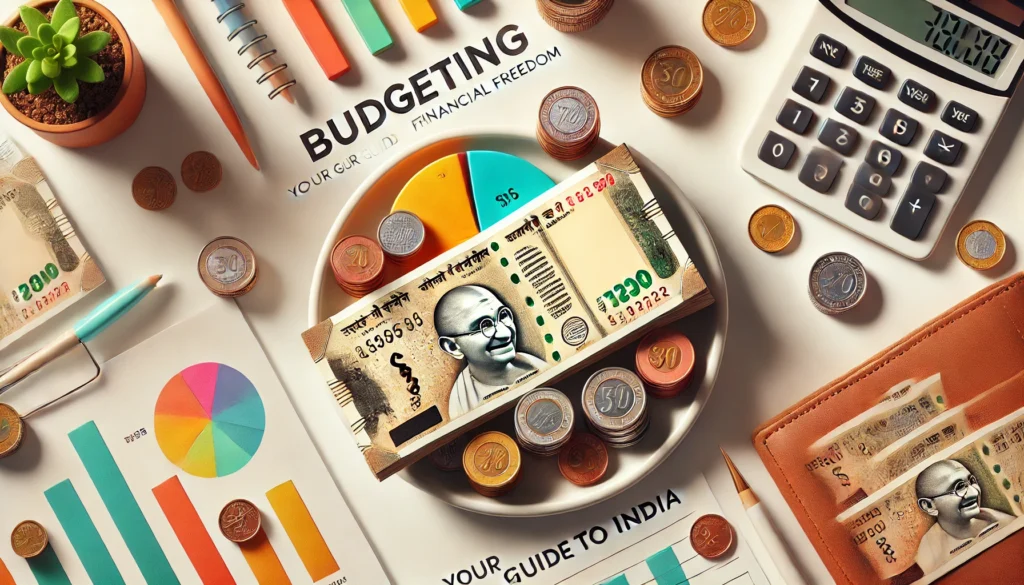
At its heart, budgeting is the process of balancing your income, expenses, and savings in a way that aligns with your goals. It’s like a fitness tracker for your finances—keeping you in shape, so you can enjoy the present without sacrificing your future.
Why is Budgeting Important?
Budgeting isn’t just about numbers on a spreadsheet—it’s a powerful tool that puts you in control. Here’s what it can do for you:
- Track Expenses:
Without a budget, it’s easy to lose track of spending. Budgeting ensures you know exactly where every rupee goes, whether it’s on groceries or weekend getaways. - Save Consistently:
Saving shouldn’t be an afterthought. A budget prioritizes saving, helping you build wealth and secure your future. - Reduce Financial Stress:
Imagine knowing your bills are covered, your savings are growing, and there’s still room for fun. That’s the peace of mind budgeting brings. - Prepare for Emergencies:
A well-planned budget sets aside money for life’s unexpected surprises—whether it’s a medical bill or a last-minute trip home for Diwali.
An Example from Everyday Life
Let’s say you earn ₹50,000 per month. Without a budget, you might unknowingly spend ₹8,000 dining out or ₹12,000 shopping during sales. By the time the month ends, you’ve left little room for savings or investments. But with a budget, you can plan to set ₹3,000 for dining out, ₹2,000 for shopping, and still allocate ₹10,000 for your savings goals. Suddenly, you’re in control and making progress toward your dreams.
Budgeting: Your Financial Lifeline
The beauty of budgeting lies in its simplicity. It doesn’t mean you have to cut back on everything you enjoy. Instead, it’s about making conscious decisions and aligning your money with your priorities. So, whether you’re treating yourself to a nice dinner or investing in your future, budgeting lets you do it all without guilt. Once you start, you’ll wonder how you ever managed without it!
Why Budgeting is Crucial for Indians
Now that we’ve covered what budgeting is, let’s dive into why it’s especially important for us Indians. Managing money here comes with its own set of unique challenges, but the good news is that a budget can help you navigate them with confidence.

Unique Challenges in India
- High Inflation:
Have you noticed how the same ₹1,000 buys fewer groceries than it did a year ago? Rising costs of essentials like fuel, rent, and vegetables are a reality we all face. Without a plan, inflation can quietly erode your purchasing power, leaving you wondering where your money went. A budget helps you allocate your resources smartly, ensuring you stay ahead of rising costs. - Cultural Spending:
In India, money isn’t just for you—it often serves your family and community. Weddings, festivals, and even supporting extended family are part of our lives, but they can also strain our finances. A budget ensures you can honor these traditions while still prioritizing your financial goals. - Limited Financial Literacy:
Let’s face it—most of us didn’t grow up learning how to manage money. Whether it’s falling into credit card debt or overspending during festive sales, mistakes are common. Budgeting acts as a safety net, helping you avoid these pitfalls and build better money habits.
Benefits of Budgeting
- Helps Manage EMIs and Avoid Debt Traps:
With personal loans, credit cards, and “Buy Now, Pay Later” schemes becoming popular, it’s easy to get stuck in endless EMIs. A budget helps you prioritize debt repayment so you can manage obligations without sacrificing essentials or savings. - Encourages Disciplined Saving for Future Goals:
Whether it’s buying your dream home or funding your child’s education, big goals require consistent saving. Budgeting ensures you set aside money regularly, bringing those dreams within reach. - Builds Financial Security:
Life is full of surprises—some pleasant, some not so much. A well-planned budget ensures you’re prepared for emergencies, whether it’s a sudden medical bill or car repairs. This financial cushion gives you peace of mind.
Why It Matters
Budgeting isn’t just about surviving—it’s about thriving. It helps you balance cultural obligations with financial discipline, stay ahead of rising costs, and plan for a secure future. Think about your own financial journey—have rising prices or festive expenses ever caught you off guard? With a budget, you can handle these challenges while building the life you’ve always dreamed of.
Next, we’ll explore exactly how to create a budget that fits your lifestyle and goals. Ready to take the first step?
Steps to Create a Budget
Creating a budget doesn’t have to be complicated. Think of it as a tool to help you give every rupee a purpose. With just a little effort, you can gain complete clarity over your finances, save for your dreams, and feel confident about your financial future. Let’s break it down step by step.
Step 1: Understand Your Income
The first step in budgeting is knowing how much money you have coming in. This includes all sources of income:
- Primary Income: Your regular salary or business earnings.
- Secondary Income: Any extra money you make from freelance work, rental income, or side hustles.
For example, if your monthly salary is ₹50,000 and you earn an additional ₹5,000 from freelance work, your total income would be ₹55,000. This is the foundation of your budget.
If you’re new to budgeting, start by simply jotting down your total monthly income. Even this small step can give you valuable insights into your financial situation. If your income is irregular, like bonuses or seasonal freelance work, calculate your average earnings over the past six months to create a realistic starting point.
Step 2: Track Your Expenses
Once you know how much you earn, the next step is to figure out where your money is going. Tracking your expenses helps you identify patterns and see where adjustments are needed.
Categorize Your Expenses
- Fixed Expenses: Rent, EMIs, and insurance premiums—these remain constant every month.
- Variable Expenses: Groceries, transportation, dining out—these can vary from month to month.
- Discretionary Expenses: Entertainment, shopping, and other non-essentials.
For example, your fixed expenses might include ₹15,000 for rent, while your variable expenses like groceries could total ₹5,000. Discretionary expenses, such as entertainment or online shopping, might add up to ₹3,000.
Tracking doesn’t have to be overwhelming. You can use apps like Walnut or Money Manager to automate this process or maintain a simple Google Sheet to log your expenses manually. Many people are surprised when they realize how small, daily expenses add up. For instance, spending ₹200 on coffee every other day may not seem like much, but it adds up to ₹3,000 in a month. Spotting these patterns helps you decide where to cut back.
Step 3: Use the 50/30/20 Rule
A tried-and-tested method for budgeting is the 50/30/20 rule. It divides your income into three categories:
- 50% for Needs: Essentials like rent, groceries, and utilities.
- 30% for Wants: Non-essentials like dining out, Netflix, or shopping.
- 20% for Savings and Investments: Building your emergency fund, contributing to SIPs, or investing in PPF.
Here’s an example budget for someone earning ₹50,000:
- Needs (50%): ₹25,000.
- Wants (30%): ₹15,000.
- Savings (20%): ₹10,000.
This method ensures you’re saving consistently while still enjoying life. It’s flexible too—if your rent takes up more than 50% of your income, you can adjust by reducing your spending on wants. The key is to prioritize savings and avoid overspending.
Step 4: Plan for Irregular Expenses
Unexpected expenses are inevitable, but they don’t have to derail your budget. Planning for irregular costs ensures you’re financially prepared for life’s surprises.
Think about seasonal expenses like Diwali shopping, wedding gifts, or even annual car repairs. These costs can feel overwhelming if you’re not prepared, but setting aside a small amount each month can make a huge difference. For example, saving ₹2,000 monthly for festive shopping will leave you with ₹24,000 by the end of the year.
Weddings are a great example of how irregular expenses can creep up on you. Imagine being invited to three celebrations in one month. Without a plan, you might end up relying on your credit card and carrying debt forward. But if you’ve set aside funds for such occasions, you can enjoy the celebrations without financial stress.
Step 5: Automate Your Savings
Saving money doesn’t have to be a manual task. Automation can make the process effortless and ensure you stay consistent.
Set up automatic transfers to your emergency fund, SIPs, or recurring deposits. For example, you could allocate ₹5,000 per month to your emergency fund and ₹3,000 to an SIP. Treat these savings like any other fixed expense—non-negotiable.
This approach not only removes the temptation to skip saving but also helps you build wealth passively. Even starting small, like automating ₹1,000 a month, can lead to significant savings over time.
Step 6: Review and Adjust Monthly
Your budget isn’t set in stone—it’s a living document that should adapt to your changing needs and goals. At the end of each month, take a few minutes to review your progress.
Ask yourself:
- Did I overspend in any category?
- Were there unexpected expenses that need to be accounted for in the future?
- Can I increase my savings next month?
If you notice a category like dining out is consistently over budget, consider setting a stricter limit or finding alternatives like cooking at home. Use budgeting apps or pie charts to visualize your spending trends—sometimes seeing where your money goes can be an eye-opener.
Remember, no one’s budget is perfect. The goal is to learn, adjust, and improve. Give yourself grace as you refine your process.
Why These Steps Work
Budgeting isn’t about restricting yourself—it’s about giving your money purpose. These six steps provide a clear framework to help you understand your income, manage your expenses, and work toward your financial goals.
Starting small is better than not starting at all. Whether it’s tracking your expenses or automating your savings, each step you take brings you closer to financial freedom. Ready to take control? Let’s get budgeting!

Common Mistakes to Avoid
Does your budget always seem to fall apart by the end of the month? You’re not alone. Many people unknowingly make these common mistakes, but the good news is that they’re easy to fix with a little awareness and planning. Let’s explore some of the most common pitfalls and how to avoid them.
1. Underestimating Irregular Expenses
It’s easy to forget about irregular costs like car repairs, medical bills, or festive shopping when planning a budget. But when these expenses show up, they can throw your entire plan off track.
Solution:
A little foresight can go a long way. Save ₹2,000 every month for those unavoidable costs, like Diwali shopping or annual car maintenance. By the time these expenses roll around, you’ll have the funds ready without disrupting your savings.
Scenario:
Imagine your car breaks down unexpectedly, and you’re staring at a ₹10,000 repair bill. Instead of panicking, your “irregular expenses” fund comes to the rescue, letting you handle the repair stress-free.
2. Not Tracking Small Expenses
The small purchases we make daily might seem insignificant, but they add up quickly. Spending ₹100 on coffee every day, for example, totals ₹3,000 a month or ₹36,000 a year. That’s enough for a vacation or a solid emergency fund!
Solution:
Track every expense, no matter how small. Use a budgeting app or a notebook to see where your money is going. Identifying these patterns makes it easier to cut back on unnecessary spending.
Scenario:
Think about this: If you’re spending ₹500 on snacks every weekend, that’s ₹2,000 a month. Cutting this in half could give you ₹12,000 annually for a new investment or a family outing.
3. Ignoring Inflation
Prices don’t stay the same forever. Whether it’s groceries, rent, or transportation, inflation creeps in and silently increases your expenses over time. If your budget doesn’t account for these rising costs, it can quickly fall out of sync with reality.
Solution:
Review your budget annually to adjust for inflation. If your grocery costs rise by 10%, reallocate funds from discretionary spending or increase your income to maintain balance. Staying proactive keeps your budget relevant and effective.
Positive Note:
Don’t worry—small tweaks like this ensure your financial goals remain achievable despite rising costs.
Why Avoiding These Mistakes Matters
Budgeting isn’t about being perfect—it’s about being prepared. By planning for irregular expenses, tracking small outflows, and adjusting for inflation, you can ensure your budget stays strong and helps you achieve your goals. A few small changes today can make a big difference tomorrow!
Best Budgeting Tools for Indians
Budgeting doesn’t have to be a tedious task. With the right tools, you can track your expenses, stay organized, and even save more efficiently. Here are some of the best budgeting tools tailored for Indian users, whether you prefer tech-savvy apps or hands-on methods.
Budgeting Apps
- Walnut:
Walnut automates expense tracking by analyzing SMS notifications from your bank and credit cards. It’s perfect for busy professionals who want to track spending without manual input.- Why It’s Great: Tracks UPI and wallet payments, making it uniquely suited for Indian users.
- Pros: Automatic categorization, detailed insights.
- Cons: Relies on SMS access, not ideal for cash transactions.
- Money Manager:
A beginner-friendly app, Money Manager allows you to manually log income and expenses while offering simple visuals like pie charts. It’s great for those just starting out with budgeting.- Why It’s Great: Offline functionality and a clean interface make it ideal for students or first-time budgeters.
- Pros: Easy to use, excellent for small-scale tracking.
- Cons: Requires manual entry, limited automation.
- YNAB (You Need a Budget):
YNAB is perfect for detail-oriented individuals. It focuses on proactive budgeting by assigning every rupee a job—whether for spending, saving, or debt repayment.- Why It’s Great: Encourages disciplined planning and long-term goal setting.
- Pros: Advanced tracking, long-term planning tools.
- Cons: Steeper learning curve, not India-specific.
Manual Methods
- Google Sheets or Excel:
For those who love customization, spreadsheets are unbeatable. You can create a personalized budget template, track expenses in real-time, and even include formulas for automatic calculations.- Why It’s Great: Free and fully adaptable, perfect for those who want complete control over their data.
- Example Use: Divide expenses into categories like rent, groceries, and entertainment, and monitor your spending trends.
- Envelope Budgeting:
A tried-and-true method for cash users, this system involves allocating physical envelopes for each spending category. Once the envelope is empty, you can’t spend more in that category.- Why It’s Great: Perfect for cash-dominated households, especially in rural areas or for people avoiding digital payments.
- Example: Allocate ₹5,000 for groceries in a labeled envelope. If it runs out mid-month, you know it’s time to cut back or reallocate.
Which Tool is Right for You?
The best tool depends on your preferences and lifestyle:
- Use Walnut or Money Manager if you want a tech-savvy, app-based solution.
- Try YNAB if you’re ready for a proactive, detailed approach.
- Opt for Google Sheets or Excel if you prefer flexibility and customization.
- Stick to Envelope Budgeting if you primarily deal in cash and want strict spending limits.
No matter which tool you choose, the key is consistency. Start small, find what works for you, and stick with it. Every small step toward managing your finances brings you closer to financial freedom!
How Budgeting Helps Achieve Financial Freedom
What if every rupee you earn worked as hard as you do? That’s the power of budgeting—it transforms your money into a tool that helps you achieve financial freedom. By giving every rupee a purpose, you can take control of your finances and work toward the life you’ve always dreamed of. Here’s how budgeting makes it happen:
1. Improved Savings
A budget ensures that saving is a priority, not an afterthought. It allows you to consistently contribute to your emergency fund and investments, building a financial cushion for the unexpected and wealth for the future.
Example: Imagine you start saving ₹5,000 every month into a high-interest savings account. By the end of the year, not only will you have ₹60,000, but you’ll also earn interest—taking you one step closer to financial security.
2. Debt Avoidance
A solid budget keeps you prepared for expenses, reducing the need to rely on loans or credit cards. By planning for regular and irregular costs, you can break free from debt traps.
Example: Allocating ₹2,000 monthly for car maintenance means you’re ready for repair bills without swiping your credit card. No debt means less stress and more freedom.
3. Goal Achievement
Budgeting divides your financial dreams into actionable steps. Whether it’s buying a home, planning a dream vacation, or funding your child’s education, budgeting helps you make consistent progress.
Example: Priya wanted to save for her dream vacation to Europe. By budgeting ₹10,000 a month, she saved ₹1.2 lakh in a year and turned her dream into reality—without any debt.
Final Thoughts
Budgeting is the foundation of financial freedom. It helps you control your money, save consistently, and align your spending with your priorities. With a budget in place, you can enjoy the present while preparing for a secure future.
Starting is simple. Begin by tracking your expenses today—just seeing where your money goes can be an eye-opener. Once you have clarity, create your first budget. Remember, every small step you take today is a giant leap toward your financial freedom tomorrow.
Need help tracking your expenses? Don’t miss our article on How to Track Your Finances Effectively—it’s packed with practical tips and tools to simplify your budgeting journey. Let’s begin this exciting journey together!